How should you start pricing a Canyon Lake home?
Start with recent closed sales that are genuinely comparable to the property you plan to list. A home near Canyon Lake is not automatically comparable to every other lake-area home. The location, property type, lot utility, living area, age, condition, access, and buyer use all matter.
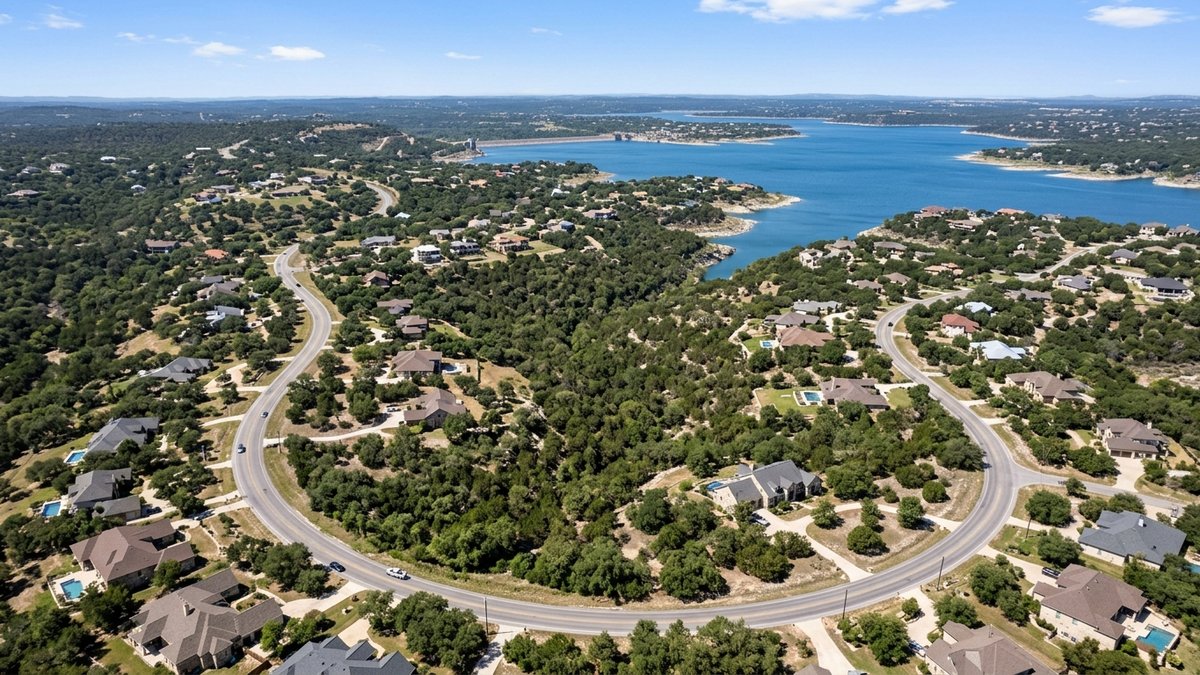
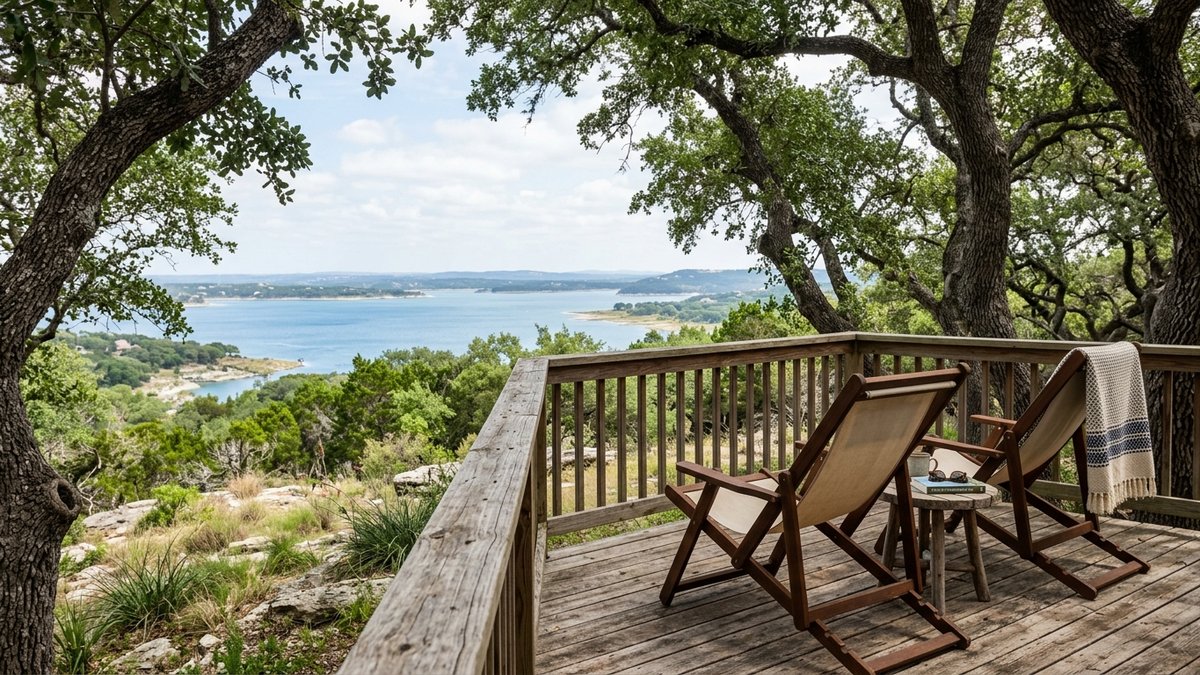
A waterfront parcel, a home with neighborhood lake access, and an off-water home may attract different buyers. Even two homes on the same side of the lake can differ because of view quality, slope, road access, flood exposure, private utilities, HOA restrictions, or the way the land is used. Treat the local market as a group of smaller comparison areas rather than one pricing bucket.
The first step is a tight grid of three to five recent closed comparables. Match the basic property details, then document the differences that deserve a separate review. Add active and competing listings afterward. Asking prices do not prove market value, but they show the alternatives a buyer sees when deciding whether your home is worth a closer look.
The Texas market evidence needs to be current when the list price is finalized. A closed sale from a different season or a different buyer pool may help explain the market, but it should not carry the entire pricing decision. The useful outcome is a supported range and a clear explanation of what could move the range up or down.
Which Canyon Lake features change the comparison?
Canyon Lake features change the comparison when they affect use, access, cost, condition, risk, or the group of buyers who can consider the property. Raw lot size and a lake reference do not explain the practical value of a home.
Separate waterfront, access, and off-water homes
Begin by identifying what the property actually offers. Confirm whether the claimed waterfront, lake access, view, dock opportunity, or shared amenity is legally and physically meaningful for the specific parcel. Do not treat marketing language or a nearby shoreline as proof of a right or feature.
| Feature | What to document | Why it matters to pricing |
|---|---|---|
| Waterfront or access | What access exists, and what records or restrictions apply? | A direct waterfront setting, neighborhood access, and no stated access are different comparison groups. |
| View quality | What can be seen from the home and the usable parts of the lot? | A view can vary by elevation, trees, slope, season, and nearby development. |
| Lot and slope | Which areas are usable, level, wooded, or difficult to reach? | Total lot size may not describe the land a buyer can use. |
| Flood exposure | What does the parcel-specific mapping show, and which insurance questions remain? | Flood due diligence belongs in the property review, not in a generic lake-area assumption. |
| Water and wastewater | What serves the property, and which records or inspections apply? | Private water or an on-site sewage system creates questions a nearby comp may not share. |
| HOA and improvements | What restrictions, outbuildings, fencing, or site improvements are documented? | Rules and improvements affect use, maintenance, and the buyer’s evaluation. |
If the property has private water or septic, Glen’s home guide for well and septic questions can help organize the conversation with the responsible professionals. It is a process resource, not a property-specific inspection or records review.
How do flood, water, and septic questions affect the price?
Flood, water, and septic questions affect the pricing conversation by adding property-specific facts that a basic house-and-lot comparison may miss. They do not support a universal premium or discount for every Canyon Lake address.
FEMA’s real estate flood-risk guidance points readers toward parcel-specific flood maps and separate insurance due diligence. That distinction matters. A broad statement that a home is near the lake does not answer the mapping question for the parcel. A map review also does not answer every insurance or condition question. Ask the appropriate insurance and property professionals what information applies to the address.
Comal County provides information and oversight for on-site sewage facilities. If the home uses an OSSF, identify the records available for the property and the questions that need a qualified review. The same applies to private-water facts. Do not copy a nearby listing’s utility description into your pricing analysis.
Flood, water, and septic details can change the buyer pool, the due-diligence questions, and the time needed to explain the property. Put those details in the comparison grid beside the sale price rather than in a separate file that no one reviews until an offer arrives. Glen’s New Braunfels flood-risk guide provides another way to frame parcel-level flood questions. It does not replace current FEMA mapping, insurance review, or professional advice for the property.
Should county appraisal value set your list price?
County appraisal value should stay in the tax-administration lane. It can help you check the parcel and improvement record, but it should not automatically set the list price for a Canyon Lake home.
Comal Appraisal District explains that it appraises taxable property at January 1 market value for local tax administration. That timing and purpose are different from preparing a current list price for a specific buyer pool. A property may have changed since the appraisal date. The record may also fail to describe a feature that matters to a buyer, such as a view, a slope, an access arrangement, an OSSF question, or a documented improvement.
Use the appraisal record as a fact-checking input. Compare the parcel details with the property you know, flag discrepancies, and ask the appropriate office or professional what needs clarification. Then return to recent closed sales, current competing listings, and the actual features of the home. Glen’s Comal County tax appraisal guide for sellers can help you organize the record-review questions.
The same caution applies to automated estimates and one nearby sale. An estimate may not understand the property-specific difference. A nearby sale may have a different view, access arrangement, condition, utility system, HOA setting, or flood profile. Use each as one input and document what makes it more or less comparable.
How do you choose a list-price strategy before listing?
Choose a list-price strategy after the comparison grid is complete enough to show the evidence, the adjustments, and the unresolved questions. The answer should be a range with a reasoned position inside it, not a single number chosen from tax data or a seller’s hoped-for result.
Build the pricing grid with these columns:
- Location and actual Canyon Lake micro-market.
- Waterfront, lake access, or off-water setting.
- View quality, lot size, slope, and usable land.
- Flood-map status and insurance questions for the parcel.
- Water and wastewater system, including OSSF records where applicable.
- HOA restrictions, documented improvements, living area, age, and condition.
- Sale date, concessions if known, and the reason each property is comparable.
Mark each adjustment as documented, estimated by the agent, or requiring an appraiser or specialist. That label keeps uncertainty visible. It also prevents a weak assumption from looking like a precise calculation.
Set a review trigger before the home goes live. The trigger might be a defined first showing cycle or a specific pattern in buyer feedback, but the response should match the evidence. A price change is only one possible response. Presentation, missing records, access explanation, condition information, and terms may need review too.
For sellers comparing Canyon Lake with nearby New Braunfels or Hill Country properties, Glen’s acreage home pricing guide offers a related framework for separating residence features from land and property constraints. Contact Glen Robison to review the current sold evidence, the Canyon Lake-specific comparison points, and the due-diligence questions before choosing a list price.