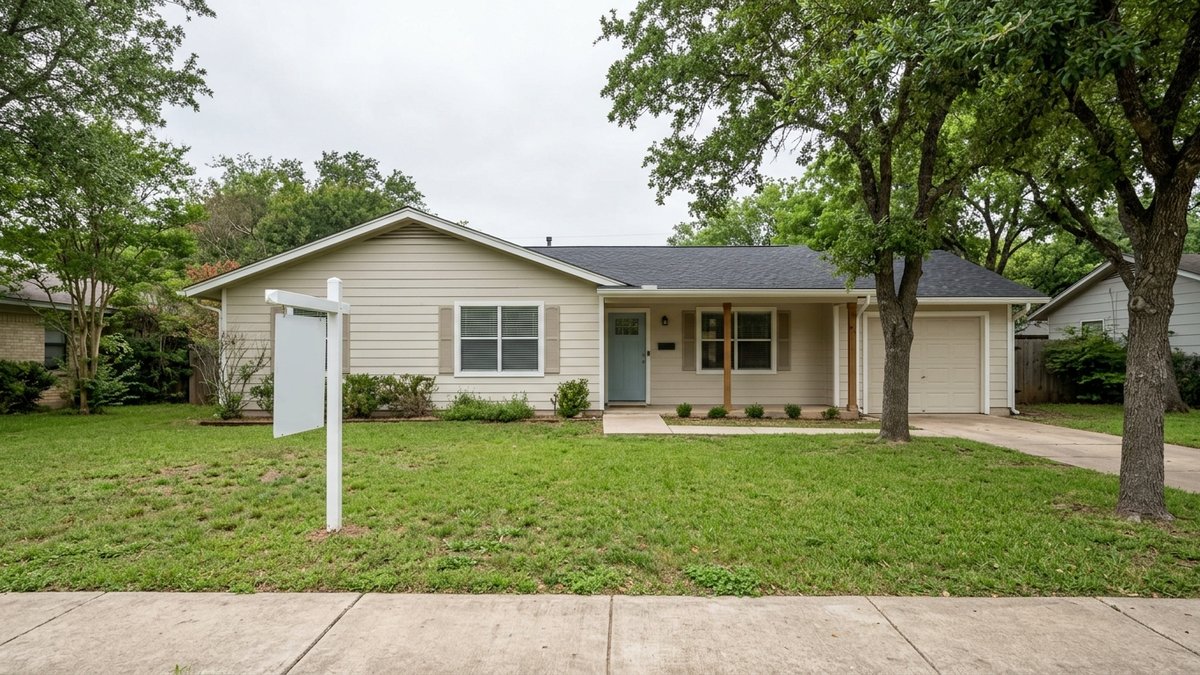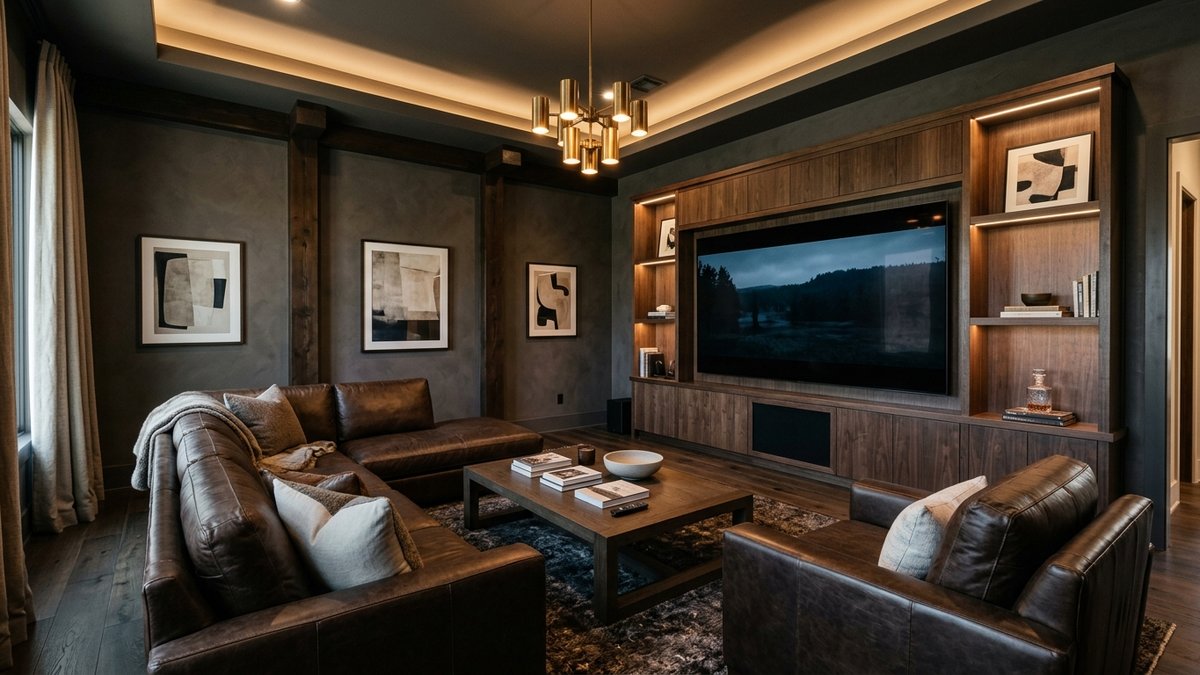
When is professional staging worth the expense?
Professional staging is worth considering when a seller can point to a specific problem it will solve. Maybe a vacant living room feels smaller in photos than it is. Maybe an occupied primary bedroom has too much furniture to show its proportions. Maybe a strong outdoor area is getting lost because the interior and exterior do not have a clear visual plan. In those situations, staging can make the listing easier to understand before a buyer ever schedules a tour.
It should not be treated as an automatic upgrade. A home with clean rooms, workable furniture placement, good light, completed touch-up work, and a solid photography plan may need a consultation and a few edits rather than rented furniture throughout the house. If the main issue is a repair, a dated feature, or a price that does not fit competing homes, staging alone does not solve it.
The most useful question is not, “Will staging pay for itself?” The result depends on the property, price position, and current competition. Ask whether a defined staging scope improves the first impression enough to make the home easier to compare with the alternatives a New Braunfels buyer can see today. Keep that choice connected to pricing, condition, and launch media. Glen’s seller resources can help organize those decisions before the listing goes live.
What does the available staging evidence actually show?
The available national evidence supports a careful, practical case for staging. In its 2025 Profile of Home Staging, the National Association of REALTORS reported that 83% of surveyed buyers’ agents said staging made it easier for a buyer to visualize a property as a future home. That is useful because a listing has to communicate room use, scale, and flow quickly, especially when the first look happens through photos.
The same NAR report identified the living room, primary bedroom, and dining room as the rooms most commonly staged. Its related release also reported that agents commonly saw photos as important to their clients and listed a $1,500 median spend for a staging service versus $500 when the seller’s agent handled the staging. Those are national survey figures from 2025, not New Braunfels quotes or a budget rule for a particular house.
NAR also reported agent observations of stronger offers and less time on market for some staged homes. Treat those responses as a reason to evaluate presentation, not a result that a seller can count on. A home’s price range, condition, location, competing inventory, photography, and buyer response still matter. Professional photos for New Braunfels sellers are part of the same launch conversation.
Which staging option fits the way your home will be shown?
The right option depends on what a buyer needs help seeing. An occupied home often benefits first from a consultation, decluttering plan, and furniture edits. A vacant home may need selected furniture so the rooms read as usable spaces rather than empty boxes. Partial staging can concentrate the budget where the listing needs it most.
| Option | Best use case | What to clarify before hiring |
|---|---|---|
| Occupied consultation | The home has furniture but feels crowded, personal, or hard to photograph | Which items move or come out, which rooms matter most, and what the photo plan requires |
| Partial staging | A few high-impact spaces need better scale or a clearer purpose | Included rooms, rental period, delivery, pickup, and the total scope |
| Vacant-home staging | Empty rooms make layout or proportion difficult to read online | Furniture package, room selection, access, insurance, and removal timing |
| Photo-first preparation | Cleaning, light, small repairs, and better photography address the actual issue | The exact shot list and whether the rooms will read clearly without rentals |
A consultation can also reveal that staging is not the priority. If one room has a worn surface, a maintenance concern, or a layout constraint, the best use of the budget may be a repair discussion, a clear listing description, or a more realistic price position. This pre-listing repair budget guide can help separate condition work from presentation work.
How should an occupied New Braunfels home be prepared?
Start with the rooms that do the most work in the listing photos and the first minutes of a showing. For many homes, that means the living room, primary bedroom, kitchen, dining area, and the strongest outdoor space. Remove items that interrupt a buyer’s ability to see the room’s size or intended use. That does not mean stripping every room of personality. It means making circulation, storage, light, and focal points easier to read.
Build the plan around the camera first
Walk the home with the photo plan in mind. Look for cords, bulky furniture, counters that hide usable space, window coverings that block light, and decor that pulls attention away from the room itself. Then decide whether a stager needs to supplement the home with a few pieces or whether editing what is already there will do the job. The answer can differ room by room.
Do not use presentation to blur a known condition issue. Texas sellers of previously occupied single-family homes use the Seller’s Disclosure Notice for material facts and physical condition as described by the Texas Real Estate Commission. Staging and photography are marketing choices. They do not replace the seller’s disclosure process or a conversation with the responsible professional about a property-specific question.
What should a seller ask before approving a staging quote?
A clear quote should let a seller compare choices without guessing what is included. Ask for the rooms to be staged, the furniture and decor package, the rental period, delivery and pickup timing, access requirements, any extension terms, and the total cost. If the plan is partial, ask why those rooms were selected and whether the photography plan supports the choice.
Also ask what happens if the listing date moves. A seller may be coordinating paint, cleaning, repairs, photos, and a move. The staging schedule should match that sequence rather than create pressure to list before the home is ready. For a vacant home, confirm who will provide access and how pickup will work if the home receives an offer or closing timing changes.
This is where a listing plan earns its value. Compare the quote against the current condition of the home, the buyer alternatives in the expected price range, and the presentation already possible through cleaning, editing, and professional photography. A staging decision is strongest when it is tied to a specific buyer-facing problem, not a general belief that every listing needs the same package.
How can you make the final staging decision before listing?
Use a short decision check before spending money. First, identify the rooms and images where the home is hardest to understand. Next, list the least expensive action that would improve each one. Then compare that action with the expected launch timeline and the homes buyers are likely to use as alternatives. This keeps the choice focused on clarity instead of an uncertain outcome.
A seller preparing an occupied home may choose a consultation, a removal list, touch-up work, and a photo day. A seller with a vacant home may decide that furniture in the living room, primary bedroom, and dining area makes the layout much easier to understand. Another seller may find that clean presentation and a sharper photo plan are enough. Each can be a sound answer when it fits the property and the launch strategy.
Before you commit, gather the quote, photo plan, property-condition questions, and current comparable-listing context in one conversation. Contact Glen to review the preparation choices for your New Braunfels or Texas Hill Country home and build a listing plan around the property’s actual strengths and constraints.