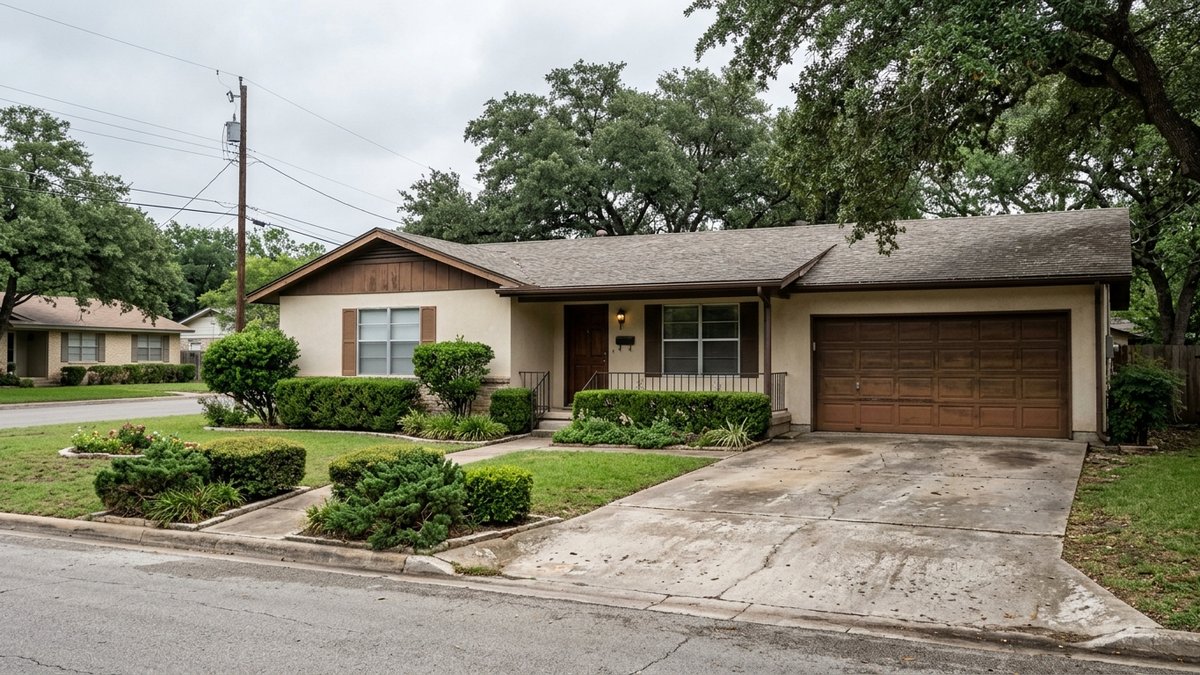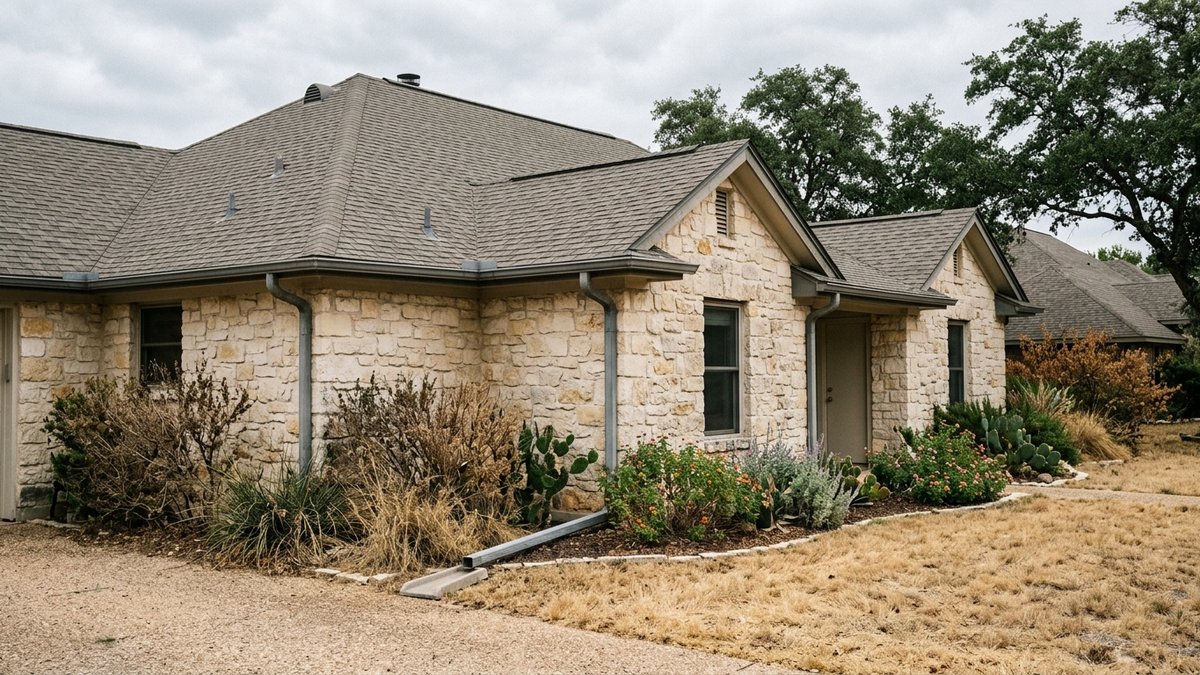
Should you replace the roof before selling in New Braunfels?
Usually, no. A seller should not approve a full roof replacement simply because the home is going on the market. First establish the roof’s actual condition, identify active defects, and compare the cost and timing of each path with the likely transaction risk.
A replacement can be easier to defend when the roof has active damage, widespread deterioration, or condition that may create insurance or buyer negotiation problems. A roof with one isolated defect may need a qualified repair and clear documentation instead. A seller may also choose to list in current condition when timing, cost, or the property’s overall plan does not support pre-listing work.
New Braunfels homes can have different roof ages, materials, weather exposure, repair histories, and insurance requirements. The same decision can look different for a home near Canyon Lake, an older property in central New Braunfels, or a home in another Hill Country market. The roof itself should drive the scope, not a generic promise that a new roof may not repay its full cost.
The New Braunfels pre-listing repair budget guide can help you put roofing beside other preparation decisions. The useful goal is a documented, coherent plan that supports an informed listing conversation.
How can a roof evaluation change the selling decision?
A qualified roof evaluation gives you a better starting point than age alone. Ask the roofer to document visible defects, areas that need repair, signs of active water intrusion, the condition of the roof covering, and the difference between an isolated issue and a broader replacement concern. The exact scope should come from the property and the professional who inspected it.
Keep the report or written findings with the rest of the seller file. A buyer, inspector, insurance professional, or agent may ask what is known about the roof. Clear records make it easier to explain what was found, what was repaired, and what remains.
Use these questions to organize the evaluation:
- Is there active damage or evidence of a current leak?
- Are the defects isolated, or do they extend across the roof?
- Which items can be repaired, and what would a repair not solve?
- What work needs documentation before the home is listed?
- What should the seller ask the insurer about the roof’s condition and policy terms?
- What timing does the roofer need for evaluation, repair, replacement, and cleanup?
Do not ask a listing article to diagnose a roof. The point of this process is to identify the right professional question before you decide how much work to authorize.
When does replacement make more sense than repair?
Replacement becomes more reasonable when a qualified evaluation shows broad deterioration or active defects that a limited repair does not resolve. It can also deserve closer consideration when the roof’s condition is likely to affect insurance discussions or a buyer’s willingness to proceed. That is a risk assessment, not a forecast of the sale outcome.
A repair may be the cleaner path when the roof is otherwise serviceable and the problem is isolated. Selling in current condition may be appropriate when the seller wants to avoid a project, the property needs a broader renovation plan, or the timing does not support roofing work before listing. Accurate disclosure and a clear pricing conversation remain important in that path.
| Path | When it may fit | What to document |
|---|---|---|
| Repair | The evaluation identifies limited defects and a targeted fix | Written findings, invoice, scope, and any warranty information |
| Replace | Condition is broadly poor or active defects create a larger transaction risk | Evaluation, contract with the roofer, materials, invoice, warranty, and insurer communication |
| List in current condition | Timing, cost, or the property’s overall plan does not support pre-listing work | Known condition, available reports, repair history, and accurate seller disclosures |
The table is a planning framework, not a substitute for a roof inspection or insurance review. Compare the paths with your roofer, insurance agent, and real estate professional before choosing one.
What should Texas sellers know about insurance and disclosure?
Texas Department of Insurance guidance says roof age, condition, materials, deductibles, and policy terms can affect coverage and claim payment. An insurer may inspect a roof, change how older roofs are covered, charge more, or decline roof coverage when condition is poor. Ask your own insurance agent how the current roof and any planned work affect your policy. Do not assume ordinary age or wear will be treated like sudden storm damage.
Insurance questions and seller disclosure questions are related, but they are not the same. The current Texas Real Estate Commission Seller’s Disclosure Notice addresses material facts and physical condition for covered residential sales. A seller should use the current form and discuss property-specific questions with the qualified professional responsible for the transaction.
If a roof replacement follows an insurance claim, keep the insurer’s communications and the contractor’s records together. If the work is paid out of pocket, keep the same type of file. A future buyer may care about what was done, which materials were used, who performed the work, and whether there is warranty information. The record should describe the work accurately without turning a repair into a guarantee about the roof’s future performance.
Build a roof decision file
- The written evaluation or inspection findings.
- Photos that accurately show the condition at the time of review.
- Repair or replacement estimates and completed invoices.
- Materials, warranty, and contractor information supplied for the work.
- Relevant communications with the seller’s insurance agent.
- Questions for the listing agent about how the condition should be presented and discussed.
This is general process guidance, not legal, insurance, or contracting advice. Have the responsible professional verify the details of your property and sale.
How should roof work fit your New Braunfels listing timeline?
Roof work should fit the listing plan instead of running on a separate clock. Start with the evaluation, then allow time for a scope decision, contractor availability, weather, materials, work completion, cleanup, records, and any follow-up review. A seller who waits until photos or showings are already scheduled may have fewer clean options.
Ask the roofer what the work involves and what documentation will be available when it is complete. Ask the insurance agent how to handle any claim or policy question. Ask the real estate professional how the roof condition, records, and timing affect the launch plan. Each professional answers a different part of the decision.
The guide to when to start preparing a New Braunfels home to sell can help you place roofing alongside repairs, cleaning, staging, and photography. If the roof is one of several visible concerns, the right plan may be a coordinated preparation schedule rather than a single large project.
If the roof cannot be completed before listing, do not hide that fact behind rushed language. Keep the available evaluation, explain what is known, disclose the condition through the proper process, and make sure the listing plan matches the property. The Glen Robison contact page is a starting point for a local planning conversation about a New Braunfels or Hill Country sale.
How should you weigh a new roof before selling?
There is no universal sale-return promise for a new roof. The useful comparison is between the project’s cost, the condition it solves, the timing it requires, the documentation it creates, and the transaction risk it may reduce. A seller should not choose replacement because a generic article promises that buyers will pay back the full expense.
A new roof may make the home easier to discuss when the old roof has active defects or poor condition that raises questions. A documented repair may be enough when the issue is limited. Listing in current condition may be the clearest path when the seller has a short timeline or does not want to take on a large project. Each option carries a different trade-off.
Before deciding, write down three things:
- What does the qualified evaluation say about the roof today?
- What does the insurance agent say the seller should verify about coverage and claims?
- What does the listing plan require for timing, records, disclosure, and buyer communication?
Then compare the answers with the actual estimates and the property’s other preparation needs. For a New Braunfels seller, a careful roof decision is a condition and documentation decision first. The listing strategy comes after those facts are clear.