What does a residential service contract cover in Texas?
A residential service contract may cover specified appliance or home-system failures, subject to the terms of the plan you buy. Start with the actual coverage document, not the label “home warranty”. The Texas Department of Insurance explains that covered items can include appliances, water heaters and electrical or plumbing systems, depending on the warranty.
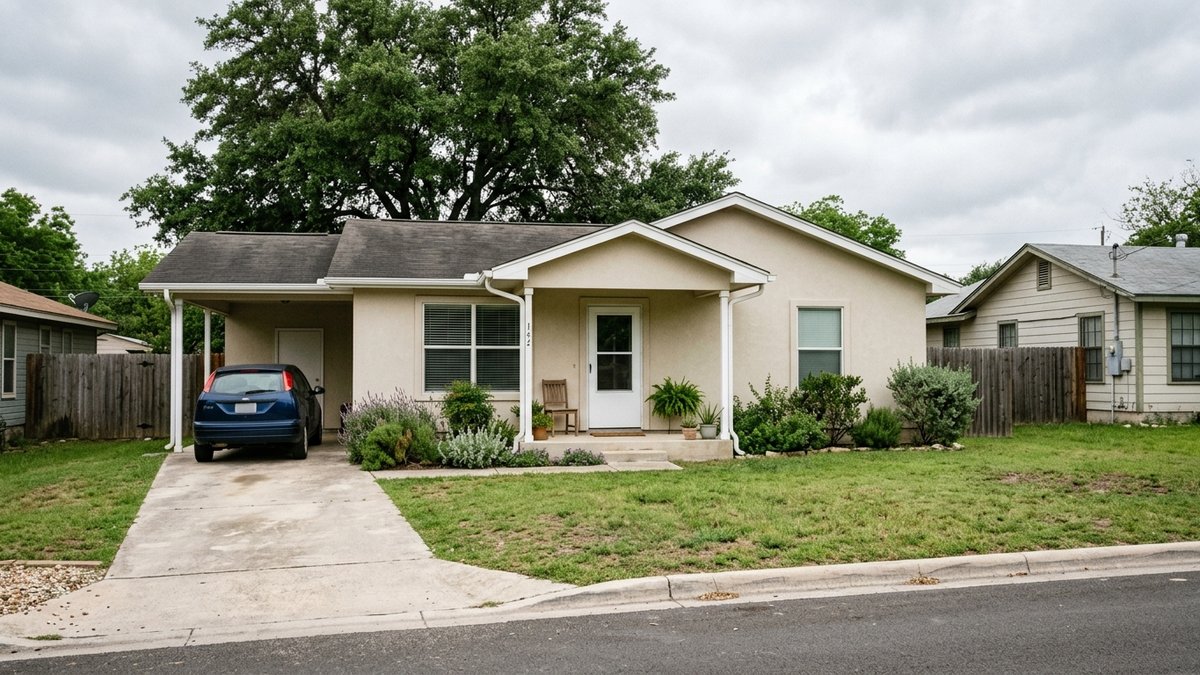
For a New Braunfels home purchase, the useful question is which equipment in this particular house appears in the plan. A kitchen photograph tells you little about whether the refrigerator, range or other appliances are included. Make a separate inventory of the equipment you expect to keep, then ask the provider to identify the applicable coverage entry.
That inventory can be simple. Record the item, its location, any available model information and the question you need answered. If a property has two similar systems, do not assume a single listing covers both. Ask how the plan describes them. If an item is missing from the document, leave its coverage status unresolved until the provider explains it in writing.
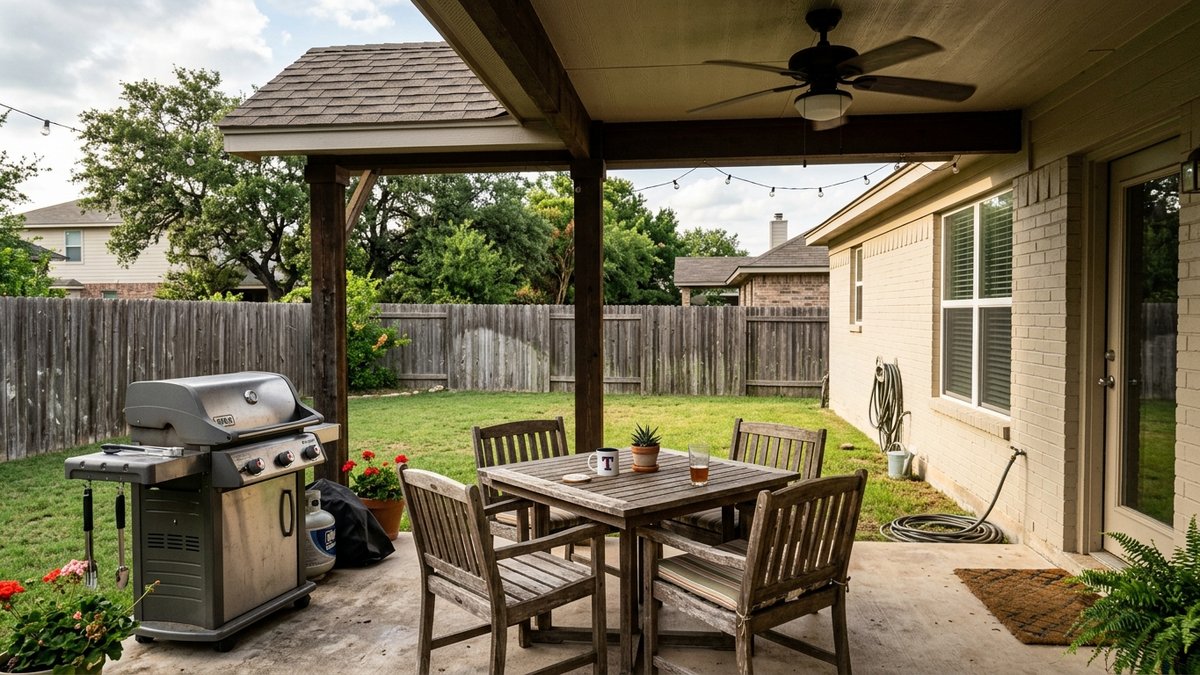
Use the same discipline for optional features. A pool, separate structure or outdoor appliance can make a Hill Country property appealing, but the property’s appeal does not establish coverage. Ask about those items individually. Treat a sales brochure as a starting point for questions, rather than a substitute for the agreement.
The goal is a clear match between your property and the plan. You should be able to point to each item you care about and explain which provider answer supports your understanding. Keep the coverage document and those answers together for later reference.
How is it different from insurance and a builder warranty?
A service contract, homeowners insurance and a builder warranty address different questions. TDI distinguishes warranty coverage for certain wear-and-tear breakdowns from insurance for events covered by the policy. TDLR also cautions buyers to keep residential service contracts separate from builder warranties concerning construction.
That distinction matters when several documents arrive during a purchase. Put each document in its own folder and identify the organization responsible for explaining it. Ask your insurance agent about the insurance policy, the service-contract provider about its plan and the builder about any builder warranty. One organization’s answer does not establish another organization’s obligation.
| Document | Question to ask | Who should explain the terms? |
|---|---|---|
| Residential service contract | Which equipment and failures does this plan include? | The provider or its designated administrator |
| Homeowners insurance | Which events and losses does this policy cover? | Your licensed insurance professional |
| Builder warranty | Which construction issues does this warranty address? | The builder or designated warranty contact |
Use that distinction while organizing a resale purchase or comparing a newly built property. You may receive paperwork for more than one product, but a familiar word such as “warranty” does not make the documents interchangeable. Read the name of the responsible company and the purpose of each document before deciding where to send a question.
Property condition is another separate issue. A service plan cannot tell you what an inspector observed in the home. Glen’s guide to what happens during a Texas home inspection can help you organize that review. Bring condition concerns to the appropriate inspector or contractor, and take coverage questions to the provider. This keeps a future service request from becoming your only plan for an unresolved problem.
Which limits and service details should you check?
Check the terms that could change your out-of-pocket responsibility and your ability to arrange service. A covered-item heading is only part of the review. The cause of a failure, a payment limit or a service requirement may change the answer for the concern you have.
Read with a specific property question in mind. For example, if an inspection notes a problem with an appliance, show the provider that concern and ask which terms apply. Avoid turning a general statement about appliance coverage into a conclusion about an existing defect. If the answer is unclear, ask for the relevant passage and a written explanation.
Build a worksheet for your own questions
Use one row for each item that matters to you. Include these columns:
- Equipment or system you want to ask about.
- The corresponding entry in the coverage document.
- Limits or exclusions the provider identifies.
- Charges you could pay when requesting service.
- Who arranges the work and how a request starts.
- Any unanswered question and the person responsible for it.
This worksheet is an organizing tool, not an assessment of whether a claim would be paid. Leave a blank where you still need information. A blank makes the next question visible; a guessed answer hides it.
For a New Braunfels purchase, use the property’s records and inspection findings to make the worksheet concrete. A Hill Country home with equipment in several locations deserves questions about each location. Keep model information, available maintenance documents and provider correspondence together instead of relying on your memory of a phone call.
Review the fee and service process alongside the coverage language. Think through whom you would contact if something stopped working after you moved in. Ask the provider to explain the steps before that situation occurs. You can then decide whether you understand the arrangement well enough to evaluate it, without assuming it will resolve every repair concern.
How can you verify the company and its role?
Use TDLR’s current resources to check the company behind the plan. Its service-contract FAQ explains license lookup and distinguishes the provider, which is obligated under the contract, from an administrator. A company name on an advertisement may not answer who handles your questions or service requests.
Start with the legal name on the agreement. Compare it with the company information you find through the regulator’s lookup, and ask about any name you cannot reconcile. Keep a record of the lookup date. Verification is a separate step from deciding whether a plan’s coverage fits your home; a listing does not answer the property-specific questions on your worksheet.
Ask for a contact path for each part of the process. Who accepts a service request? Who explains a denial or disputed answer? Who handles cancellation questions? Put those details with the agreement, so you can find the correct contact without searching through promotional messages.
TDLR’s program page provides complaint and enforcement resources. Its FAQ suggests contacting the provider first about a consumer complaint and explains that unresolved complaints can be taken to TDLR. Keep your agreement, correspondence and service-request information if you need to explain a problem. Ask the regulator about its process rather than assuming a complaint will produce a particular outcome.
For your purchase team, make the boundaries clear. Your agent can help organize real estate questions and the transaction timeline. The provider explains its coverage and service arrangements. A qualified contractor evaluates equipment concerns, and an attorney can address a legal dispute. Directing each question to the right person makes the review more useful than asking one person to answer everything.
What should New Braunfels buyers clarify before choosing a plan?
Clarify the property details, written coverage answers and remaining repair questions before treating a service contract as part of your purchase plan. TDLR’s consumer guidance says buying one is optional. The decision deserves its own review, even when the topic comes up alongside a larger home purchase.
Bring the exact plan, your equipment worksheet and your unresolved questions to the provider. Keep the purchase timeline separate so you can see which questions still need attention. Glen’s guide to what happens after an offer is accepted in Texas can help you organize the other moving parts without blending them into the service-plan review.
If a seller offers to contribute toward a plan, ask your agent and the appropriate transaction professional to explain how that proposed contribution is documented. Keep the coverage review with the provider. An offer to pay for something does not establish that it covers the equipment or concern you have in mind.
A buyer moving to a home near Canyon Lake or elsewhere in the Hill Country can use the same approach. Start with the actual property rather than assumptions about a neighborhood or price range. For homes with separate water or wastewater systems, Glen’s well and septic buyer guide supports a separate property review. Ask the service provider about coverage instead of carrying a conclusion from that review into the plan.
Before closing your worksheet, mark each question as answered, awaiting clarification or outside the provider’s role. Retain the written answers and the specific agreement you evaluated. That gives you a practical record to discuss with your agent, provider or other qualified professional when a question remains.