What does a title company do in a Texas home purchase?
A Texas title company checks ownership records, identifies recorded claims and other matters, prepares a conditional title commitment, coordinates escrow and settlement, and issues title insurance. For a New Braunfels or Hill Country buyer, the important job is understanding what the title file confirms, what it leaves out, and which questions still belong with a surveyor, inspector, lender, or other professional.
The title search is a review of public records connected to the property and its ownership. The title commitment describes the coverage the company is prepared to issue, subject to the listed requirements and exceptions. The closing team also coordinates the handling of funds and documents as the purchase moves through settlement.
That is a meaningful set of services, but it is not a single all-purpose property review. Title work does not tell you whether a roof is sound, whether a septic system works, or whether a property fits a particular intended use. A buyer should read the title materials alongside the survey, inspection information, contract, and other property-specific records.
The New Braunfels buyer’s guide can help organize the larger purchase process. This guide focuses on the title company’s role and the questions worth raising while there is still time to get answers.
What does the title search and commitment tell you?
The title search gives the title company a record-based view of ownership and recorded matters. The commitment then sets out the proposed title insurance coverage, requirements that must be addressed before a policy can issue, and exceptions that the policy will not cover. It is a conditional document, so read it as a working list for the transaction rather than a guarantee that every property question has been answered.
A buyer’s practical task is to get the commitment early enough to review it and ask about unfamiliar entries. Look at the property identification, the proposed insured parties, requirements, and exceptions. Compare the information with the survey and what you understand about access, easements, shared features, or other recorded matters. If a line is unclear, ask the title professional to explain what it means in the title process and identify who can answer any separate legal or property-use question.
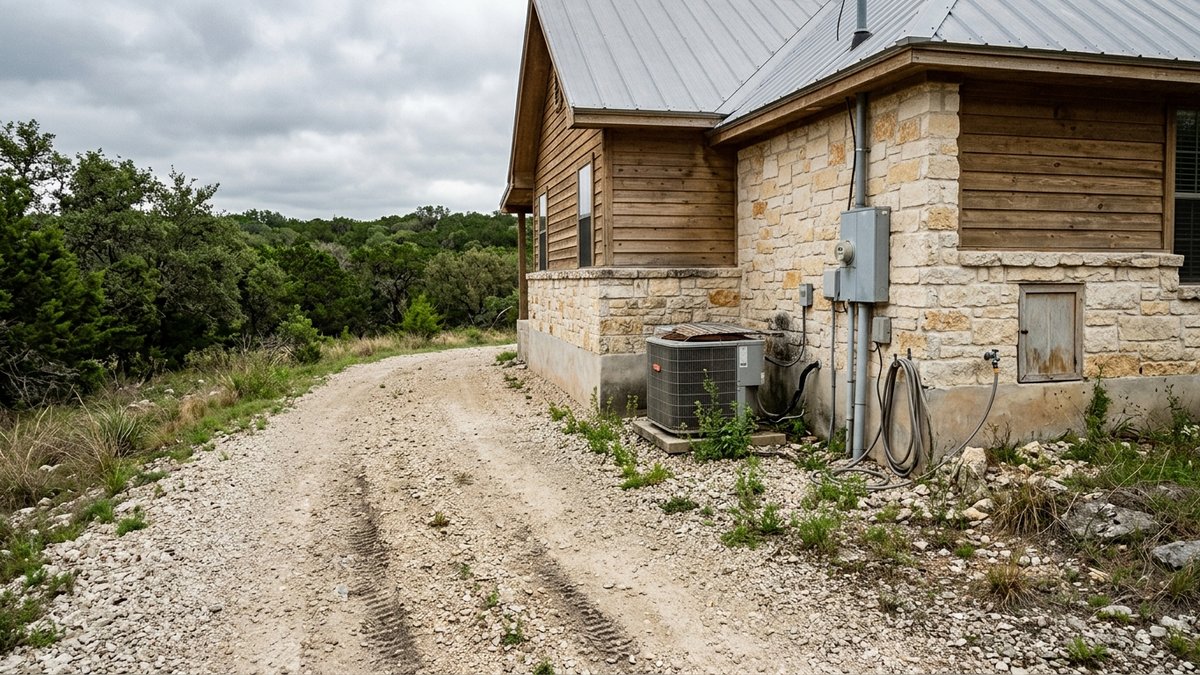
In the Hill Country, buyers may be looking at a home with a larger lot, well or septic service, an access arrangement, or other property details that need more than a mailing address to understand. Do not assume that the title commitment confirms physical condition, boundaries on the ground, or whether a particular use is allowed. Those questions may require a surveyor, inspector, local authority, attorney, or other qualified professional.
A simple review list can keep the file moving:
- Confirm the property and parties shown in the commitment.
- Ask what requirements remain and who is handling each one.
- Read the exceptions and flag any entry you do not understand.
- Compare the title materials with the survey and your property questions.
- Keep written follow-up with the title company or the professional responsible for the answer.
The title company can explain its records and process. It should not be treated as a substitute for every other form of due diligence.
How does escrow and settlement fit into the process?
Escrow and settlement are the coordination side of the title company’s work. The company helps manage the funds and documents moving through closing, prepares or coordinates closing materials, and works with the parties on signing and recording steps. The exact process and timing depend on the transaction, the lender, the contract, county records, and whether the file has outstanding requirements.
Ask the closing team what it needs from you and what it is waiting on. A buyer may need to provide funds through an approved method, review final closing figures, bring requested identification, and sign documents. The title company can tell you which items are part of its process. Your lender should answer questions about the loan, and the real estate professional can help route transaction questions to the right person.
Before transferring funds, independently verify the instructions using a trusted phone number for the title office. Do not rely on a last-minute email change by itself. If an account number or amount appears different from what you previously confirmed, pause and contact the office through a separate known channel. The Texas Department of Insurance includes wire-fraud guidance in its consumer information about title insurance.
Texas title insurance base rates are set by the state. Some service and closing fees can vary. Ask for an estimate that separates the title policy charges from other settlement items, and ask which title company is handling the file. A buyer may choose a licensed title company. Who pays for each policy or endorsement is a transaction question to confirm against the agreement and closing figures, not something to infer from a general guide.
The New Braunfels buyer closing costs guide offers broader cost context. Use the estimate and closing documents for the actual numbers in your purchase.
What is the difference between an owner’s and lender’s title policy?
An owner’s title policy and a lender’s title policy protect different interests. The owner’s policy relates to the buyer’s ownership interest. The lender’s policy protects the lender’s interest in the loan and its lien. The Texas Department of Insurance explains the two policy types and provides consumer information about title insurance.
Ask the title company which policies are being issued, who is listed as the insured, what coverage is described, and what exceptions apply. If you see a policy charge or endorsement you do not recognize, ask the closing team to explain the line item. If your question is whether the policy is appropriate for your particular legal or financial situation, get advice from a qualified professional who handles that question.
Title insurance is different from a home inspection and from property insurance. It addresses covered title risks under the policy terms. It does not inspect the roof, plumbing, foundation, or appliances, and it does not decide whether a home will meet your plans for future use. Read the policy materials and ask about the actual coverage and exclusions rather than assuming one policy protects against every property problem.
For a property with acreage or private services, keep your questions separated. Ask the title company about the recorded ownership information and exceptions. Ask a surveyor about boundaries and survey matters. Ask an inspector or relevant system professional about physical condition. Ask the responsible local authority or land-use professional about a planned use.
The New Braunfels guide to buying a home with well or septic covers separate property checks that may matter in some Hill Country purchases. The title file is one part of that review.
What should a New Braunfels buyer ask before closing?
A buyer should turn the title commitment into a short list of specific questions before the closing appointment. Start early enough to let the title company identify outstanding requirements and route questions that belong elsewhere.
| Question | Who can help clarify it |
|---|---|
| What requirements remain before the policy can issue? | Title company or settlement team |
| What does an unfamiliar exception refer to in the title record? | Title company, with a qualified legal professional for legal interpretation |
| How does the survey relate to an access, easement, or boundary question? | Title company for file coordination and a licensed surveyor for survey matters |
| Which policy is for the owner and which is for the lender? | Title company |
| Who pays each policy or endorsement under this transaction? | Closing team, checked against the transaction documents |
| How should I verify the final payment instructions? | Title company using a trusted phone number |
| Does a property feature or intended use need a separate review? | The relevant inspector, local authority, or qualified land-use professional |
This list is a way to route questions, not a substitute for review of the actual commitment, survey, or contract. Keep notes about who is answering each item and whether that answer resolves the question you asked. A vague reassurance is not the same as a clear explanation of an exception or a documented correction to the file.
If you are comparing homes in New Braunfels, Gruene, Garden Ridge, or near Canyon Lake, ask the same core questions while evaluating each property. The recorded matters, survey, services, and intended use can differ from one address to another. The Glen Robison contact page is a starting point for a local purchase-planning conversation. Title, survey, inspection, and land-use questions should go to the professionals responsible for those subjects.
A title company helps bring the ownership record, escrow, settlement, and insurance steps together. Your job is to understand what the title file covers, ask about open requirements and exceptions, and make sure other property questions get to the right professional before closing.