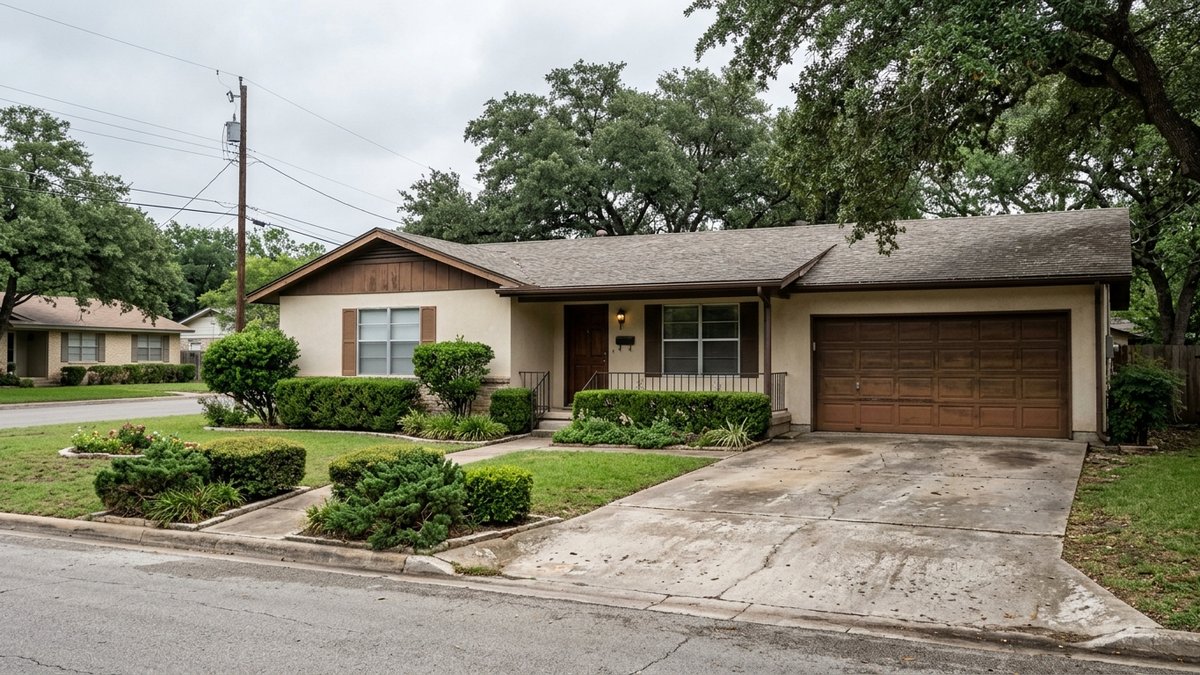
Should you paint before listing your New Braunfels home?
Paint before listing when visible damage, peeling, stains, obvious patches, strong color changes, or worn trim distract from the home’s condition in photos and showings. A targeted repaint can make the first-view spaces feel cared for and give buyers a clearer read on the room.
Do not repaint every room automatically. If the walls are clean, cohesive, and serviceable, the project may add cost and delay without solving a real buyer concern. A room with a dated but intact color may be less urgent than an entry with scuffed walls, a stained ceiling, or trim that looks damaged.
Start with a room-by-room screen. Look from the front door, the main hallway, the kitchen, the living room, and the angles a listing photographer is likely to use. Note peeling, stains, patched areas, strong sheen differences, dark transitions, personalized colors, and trim wear. Then compare the smallest coherent scope with the whole-room solution.
A paint decision also depends on what caused the defect. Address the source of a moisture stain, repair damaged drywall, and prepare a surface before coating it. Paint can improve presentation, but it should not hide an unanswered property question.
The New Braunfels pre-listing repair budget guide can help you place painting beside other preparation choices. The right scope is the one that improves the launch without turning a cosmetic project into a rushed remodel.
Which rooms and surfaces deserve paint first?
Start with the surfaces buyers see first and the defects that pull attention away from the home. In many New Braunfels listings, that means the entry, main living areas, kitchen and bath walls, visible hallways, stair areas, and trim with obvious wear. The exact priority depends on the floor plan, light, furniture, and what appears in the photos.
Build a simple paint screen
- First-view spaces: Can a buyer see the wall from the entry, driveway approach, or main living area?
- Photo impact: Does the defect or color dominate a listing image, or does it disappear in normal use?
- Surface condition: Is the problem ordinary wear, or does it involve moisture, damaged drywall, peeling layers, or a repair that needs more work?
- Color consistency: Do connected rooms feel intentional, or does each transition create a separate visual stop?
- Trim and doors: Are scuffs, worn edges, or mismatched sheen drawing attention to the condition?
- Whole-room finish: Would a touch-up flash because the sheen, age, batch, or surface preparation differs from the surrounding paint?
Touch-ups are useful when the existing paint can blend and the repair is small. They can look worse than the original mark when the wall has changed over time or the patch catches light. A full wall or room may be the cleaner choice when the difference remains visible from normal viewing distance.
Do not limit the review to walls. A peeling door, worn baseboard, damaged cabinet surface, or stained ceiling may affect the room more than its wall color. Ask a qualified contractor to separate surface preparation from coating so the scope reflects the actual work.
The goal is not to erase every sign that a home has been lived in. It is to remove avoidable distractions and keep the condition, price, and presentation telling the same story.
Should you touch up, repaint one wall, or repaint the room?
Choose the smallest scope that creates a consistent finished surface. Touch up when the color and sheen match, the wall is sound, and the repair will not show under normal light. Repaint one wall when that wall carries the visual defect or color shift and the transition can look intentional. Repaint the room when scattered patches, uneven sheen, or strong color differences make a partial fix look temporary.
Use this decision table:
| Paint option | Best fit | Main risk to check |
|---|---|---|
| Leave it | Surface is clean, cohesive, and serviceable | A defect may become more visible after furniture is removed or photos are taken |
| Clean and touch up | Isolated scuffs or small marks with a reliable color match | Flashing, sheen mismatch, or a patch that catches light |
| Repaint one wall | One wall carries the stain, patch, or distracting color | The new wall may make the adjacent walls look different |
| Repaint the room | Color, sheen, patches, or wear are spread across the room | Preparation, drying, cleanup, and schedule can exceed the original scope |
| Repaint connected areas | Multiple visible transitions make the palette feel inconsistent | More material, labor, and delay than the original listing problem justified |
Color choice should support the home rather than become a separate design project. Broad, restrained colors may help rooms read clearly in marketing images, but there is no universal color that fits every floor plan, lighting condition, finish, or buyer. Test a sample in the room at different times of day and beside the flooring, cabinets, trim, and fixed finishes.
The National Association of REALTORS discusses buyer-facing paint color choices as part of presentation. That context is useful, but a color article does not determine the right shade for a particular New Braunfels home. The existing palette, natural light, room size, and connected spaces matter more than a trend headline.
If the project involves a dark wall, glossy surface, heavy patching, nicotine staining, or a significant color change, ask for a preparation plan. Primer, sanding, caulking, repair, and drying time can matter as much as the topcoat.
What should New Braunfels sellers know about lead-safe painting?
For a home built before 1978, paint-disturbing work can involve lead-safe requirements. The U.S. Environmental Protection Agency’s Renovation, Repair and Painting program covers firms working on pre-1978 homes and child-occupied facilities, subject to the program’s rules and exceptions. Ask the contractor whether the project falls within the program and what certification, containment, cleanup, and recordkeeping apply.
This is a project-planning issue, not a reason to guess about the home’s paint. Do not sand, scrape, cut, or disturb older painted surfaces casually. Confirm the home’s age, describe the planned work accurately, and use an appropriately qualified contractor when the work triggers lead-safe requirements. The EPA’s lead-safe renovation guidance explains the planning steps and work practices to discuss.
Lead questions are separate from ordinary color questions. A new neutral color does not remove the need to handle older paint safely. A small touch-up may still disturb a surface. The contractor should determine the correct work method from the home’s age, the surface, the task, and the applicable requirements.
Build lead-safe planning into the listing timeline. Certification, preparation, containment, cleanup, and documentation can affect scheduling. If a contractor finds damaged or peeling layers, pause the cosmetic plan long enough to understand the work rather than covering an unstable surface.
Keep the scope, invoices, product information, and any required records together. If the project reveals a property condition beyond painting, route that question to the appropriate contractor or qualified professional. Do not describe the work more broadly than the records support.
How should painting fit your listing timeline and budget?
Painting should fit around the date you want to photograph and list the home. Work backward from that date and allow time for estimates, color selection, surface preparation, repairs, coats, drying, cleanup, furniture placement, and a final photo review. A project that appears small can take longer when the walls need repair or the palette changes across connected rooms.
Compare four inputs before you commit:
- Presentation effect: What visible distraction does the work remove, and will it change what a buyer notices in the first few minutes or in the listing photos?
- Scope: Is the right answer leave, clean, touch up, repaint one wall, repaint the room, or repaint connected areas?
- Schedule: Can the work finish with enough room for cleanup and photography without forcing a rushed launch?
- Net impact: Does the project deserve the budget when compared with safety, moisture, roof, system, flooring, cleaning, and other preparation choices?
Get written estimates that explain prep, patching, primer, trim, doors, materials, furniture, cleanup, and the expected schedule. Ask what happens if the contractor finds moisture or damaged drywall. If the home is pre-1978, ask the contractor to identify any lead-safe requirements before work begins.
A professional paint job can improve presentation without changing the home’s underlying value or removing every buyer question. A clean, cohesive surface may be enough. In another home, the best move may be to leave serviceable walls alone and spend the budget on an active repair or better photography.
The professional home staging guide and New Braunfels professional photography guide can help you judge paint alongside the rest of the presentation. For a property-specific scope and launch conversation, contact Glen with the target date, room photos, and contractor questions.